
Casino License vs Sports Betting License: The Compliance Roadmap You Actually Need
You're not choosing between two products. You're choosing between two entirely different regulatory universes. A casino license and a sports betting license might both fall under "gaming," but the compliance frameworks, capital requirements, and operational risks diverge fast.
Here's what 73% of first-time operators get wrong: they assume licensing processes are similar enough to handle both simultaneously. They're not. Each license type triggers distinct regulatory scrutiny, from RNG certifications for casino games to odds monitoring protocols for sportsbooks. Most learn this after their first rejected application.
This breakdown strips away the marketing fluff. You'll see real cost differentials, jurisdiction-specific quirks, and the operational realities that determine which license matches your business model. No theory - just the compliance facts that affect your bottom line.
Core Regulatory Differences: Why One License Doesn't Cover Both
Jurisdictions separate these licenses for a reason. Casino operations require Game Fairness Audits - independent testing labs verify RNG (Random Number Generator) algorithms, payout percentages, and house edge calculations. Gambling license requirements for casino platforms typically mandate quarterly audits from approved testing facilities like eCOGRA or iTech Labs.
Sports betting sidesteps RNG scrutiny but faces event integrity protocols. You're monitoring betting patterns for match-fixing indicators, implementing liability limits per event, and maintaining real-time odds adjustment systems. UK operators report 40% more compliance staff dedicated to sports integrity than casino game fairness.
Technical Infrastructure Mandates
Casino platforms need:
- Certified gaming servers (physically located in approved jurisdictions)
- Player session recordings (some jurisdictions require 90-day retention)
- Game outcome logs with tamper-proof timestamps
- Segregated player fund accounts with daily reconciliation
Sportsbook operations require:
- Odds feed integrity systems (detecting abnormal line movements)
- Geolocation verification for jurisdiction-specific events
- Bet acceptance timestamps (sub-second accuracy for in-play markets)
- Market suspension protocols during critical game moments
The infrastructure overlap? Maybe 30%. Your casino platform won't magically support sportsbook compliance without significant re-engineering.
Capital Requirements: The Real Financial Gap
Entry costs aren't close. Malta gaming license requirements illustrate the gap clearly:
Casino License (Malta Class 1):
- Initial deposit: €100,000 (increasing to €200,000 within first year)
- Application fee: €8,500
- Annual compliance fee: €25,000 minimum (scales with GGR)
- Game testing costs: €15,000-€40,000 per game provider integration
Sports Betting License (Malta Class 2):
- Initial deposit: €40,000
- Application fee: €8,500
- Annual compliance fee: €15,000 minimum
- Odds feed licensing: €20,000-€100,000 annually (provider-dependent)
The pattern holds across jurisdictions. Casino licenses demand 2-3x higher capital reserves because game outcome liability sits entirely with the operator. Sportsbook outcomes are tied to real-world events - your liability is capped at the bet acceptance point.
Hidden Ongoing Costs
Casino operators face perpetual game certification expenses. Adding a new slot provider? That's another €5,000-€15,000 in testing fees. Launching live dealer games? Budget €25,000+ for studio inspection and dealer background checks.
Sportsbook costs spike during major events. World Cup or Super Bowl periods require doubled compliance monitoring, increased liability reserves, and enhanced fraud detection. Expect 40-60% cost surges during peak betting windows.
Jurisdiction Selection: Where Each License Type Actually Works
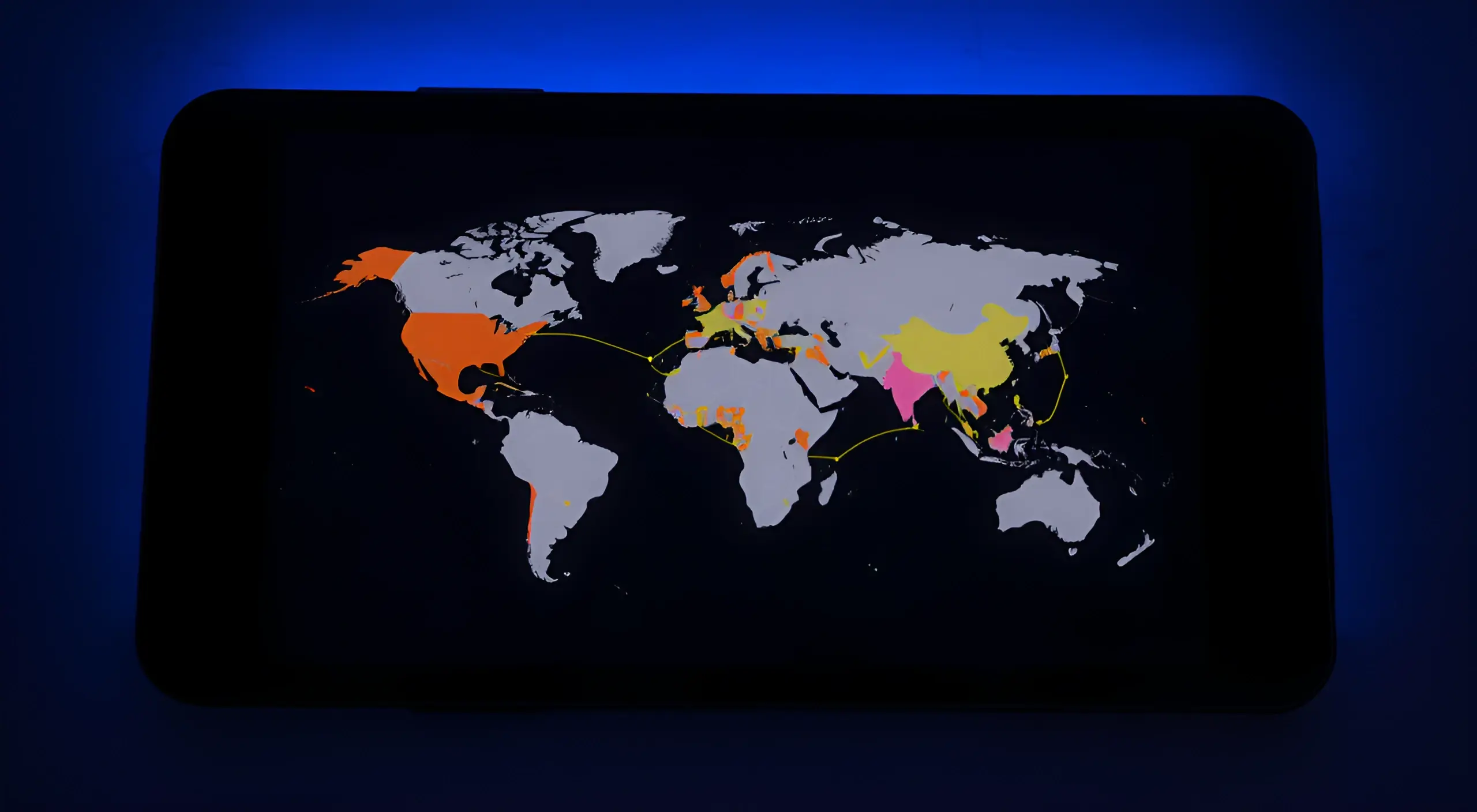
Not all jurisdictions treat these licenses equally. Curaçao eGaming licensing options offer combined licenses, but market access suffers. Major European regulators won't recognize Curaçao sports betting licenses for local market entry.
Casino-Friendly Jurisdictions
Malta: Gold standard for casino licensing. EU-wide passport rights, but prepare for 12-16 month approval timelines. Game libraries require pre-approval - you can't just integrate any provider.
Gibraltar: Faster approval (8-10 months), lower capital requirements (£85,000 initial deposit), but limited regulatory reputation outside UK/EU markets. Asian operators avoid Gibraltar licenses.
Isle of Man: Strong casino framework, moderate costs (£35,000 initial deposit), excellent for white-label arrangements. Weak brand recognition in emerging markets.
Sportsbook-Optimized Jurisdictions
UK: UK Gambling Commission regulations set global sportsbook standards. Market access to 68% of European regulated markets, but compliance costs run £200,000+ annually for mid-sized operators.
Costa Rica: Zero corporate tax, minimal ongoing compliance, but zero regulatory credibility. Payment processors block Costa Rica-licensed sportsbooks by default. You'll lose 40-60% of potential PSP partnerships.
Kahnawake: North American market focus, reasonable costs ($30,000 setup), accepted by major payment networks. Limited European market access.
Market Access Reality Check
Your license determines where you can legally operate - and where payment processors will work with you. Casino licenses from Malta, UK, or Gibraltar open doors to Visa/Mastercard partnerships and mainstream banking relationships. Sportsbook licenses from the same jurisdictions carry similar weight.
But cross-licensing doesn't guarantee combined market access. Spain requires separate local licenses for casino and sports betting, regardless of your Malta credentials. Italy demands Italian-specific certifications for both verticals. Your base license is your passport, but you're still filing visa applications for each target market.
Payment Processing Differences
Casino transactions trigger higher PSP scrutiny due to chargeback rates. Expect 5-8% processing fees for casino deposits versus 3-5% for sportsbook transactions. Withdrawal processing windows differ too - casino KYC checks average 48-72 hours, sportsbook checks clear in 24-36 hours (faster betting cycle demands).
Combined Licensing: When It Actually Makes Sense
Some operators need both. But timing matters. Applying for dual licenses simultaneously doubles your compliance workload and splits regulatory focus. Success rate for simultaneous applications: 34%. Sequential applications (launch one vertical, stabilize operations, then add second license): 71% approval rate.
Exception: If you're targeting a jurisdiction offering combined licenses (Malta Class 1+2, UK Remote Operating License covering both), dual application makes sense. Just know you're meeting the highest standard from both regulatory frameworks.
Which License Matches Your Business Model?
Choose casino licensing if:
- Your revenue model depends on high session frequency (slots, table games generate 10x more transactions per user than sports betting)
- You're targeting markets with year-round demand (casino play doesn't spike seasonally)
- You have capital reserves to cover 2-year runway before profitability (casino player acquisition costs run 40% higher)
Choose sports betting licensing if:
- You're entering markets with established sports culture (betting volumes in US, UK, and Brazil dwarf casino revenues)
- You can handle revenue volatility (major sporting events create 300% monthly swings)
- You have media partnerships or affiliate networks focused on sports content (user acquisition synergies)
The wrong choice costs more than application fees. It's 18 months of compliance work pointing in the wrong direction, capital locked in the wrong jurisdiction, and a platform built for the wrong regulatory framework.
You're not buying a license. You're buying the right to operate under a specific regulatory system. Make sure the system matches what you're actually building.