
Offshore Gaming License: What You Need to Know Before Applying
Let's cut through the noise. When operators talk about "offshore gaming licenses," they're usually asking one of two questions: How do I launch faster? Or how do I reduce my tax burden? Here's what actually matters: an offshore license isn't just about lower costs. It's about finding a jurisdiction that matches your target markets, payment processing needs, and risk tolerance.
The term "offshore" gets thrown around loosely in gaming circles. Technically, any license outside your home country is offshore. But in practice, operators mean jurisdictions with favorable tax structures and streamlined application processes. Think Malta, Curaçao, Costa Rica, Gibraltar, Isle of Man. These aren't sketchy backwaters - they're established regulatory frameworks that 70% of global iGaming operators use.
You're not buying a license. You're buying credibility, payment rails, and legal protection. The question isn't if you need professional guidance. It's how much money you'll waste trying to navigate this alone. Most operators learn this the hard way after their third rejected application or first regulatory fine.
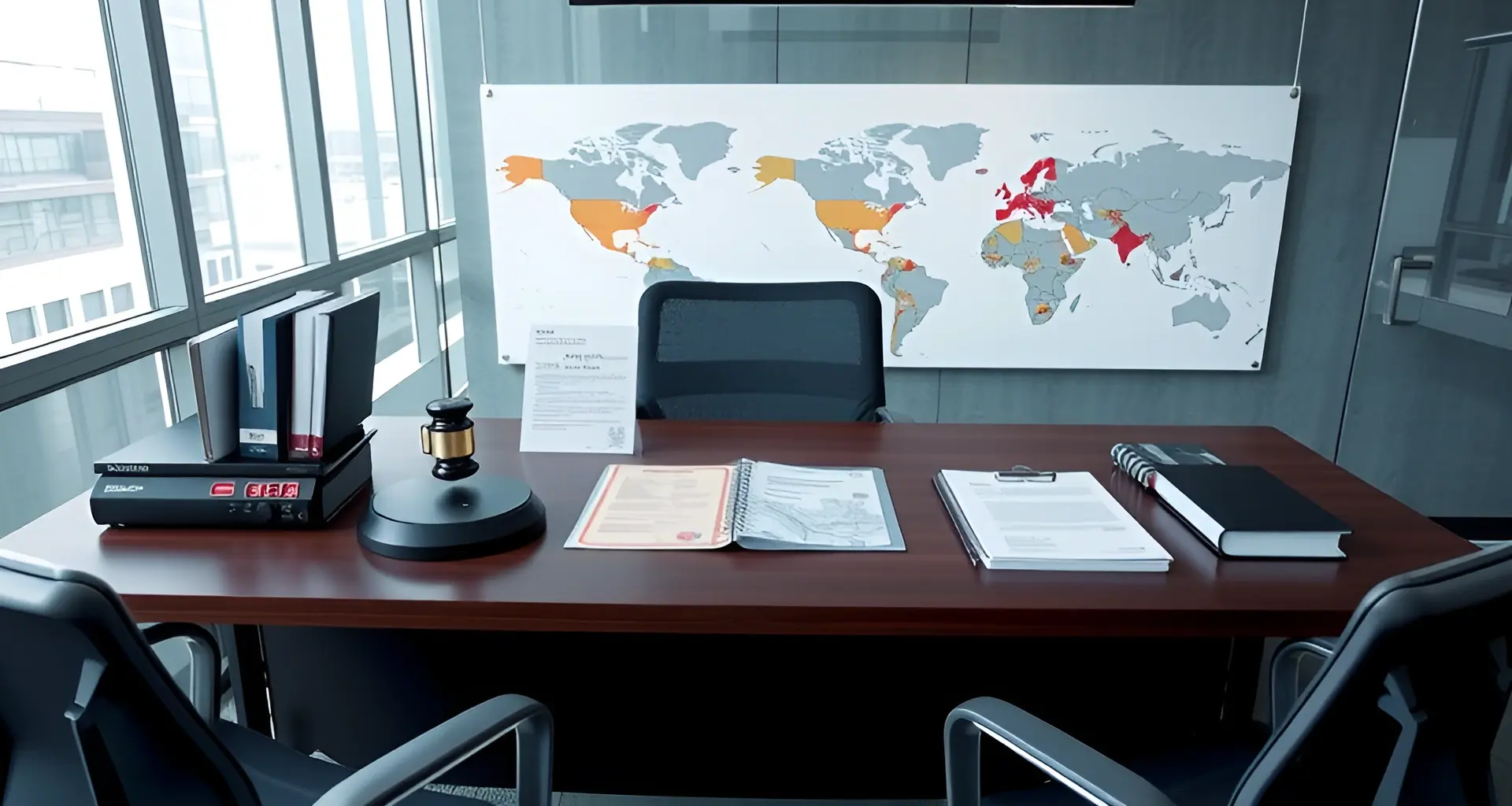
Malta vs Curaçao vs Costa Rica: The Real Comparison
Every jurisdiction discussion starts with these three. But the typical comparison charts miss what actually impacts your operations. Here's the breakdown operators need:
Malta Gaming Authority (MGA): The EU's gold standard. You want access to regulated European markets? You need Malta. Application costs run €25,000-€35,000 upfront, plus annual fees starting at €25,000. Timeline: 6-9 months if your documentation is perfect (it never is). The MGA demands full transparency - corporate structure, beneficial ownership, source of funds, game RNG certifications, AML procedures. Our clients who successfully secure Malta Gaming Authority licensing spend 4-6 months just on documentation prep.
Curaçao eGaming: Fast, affordable, flexible. Application costs: €2,000-€5,000. Timeline: 4-8 weeks. Annual fees around €40,000 for the master license (most operators use sublicenses). Here's what they don't tell you: Curaçao gives you global access except explicitly blocked markets. But payment processors treat Curaçao licenses differently than Malta. Expect higher reserves and more compliance scrutiny from banks. Still, 40% of online casinos use Curaçao eGaming licensing options for a reason - speed and cost.
Costa Rica: Not technically a license. Costa Rica issues "data processing permits" - essentially business registrations. Cost: $5,000-$10,000. Timeline: 2-4 weeks. Zero gaming regulations, zero oversight, zero credibility with Tier 1 payment processors. Use Costa Rica when you're targeting unregulated markets or running affiliate operations. Don't use it for player-facing operations if you want payment processing that doesn't crash every month.
The Hidden Costs No One Warns You About
Application fees are just your entry ticket. Here's where operators blow their budgets:
- Local substance requirements: Malta demands physical offices and resident directors. Budget €50,000-€80,000 annually for Malta office setup and staff.
- Compliance systems: AML software, responsible gaming tools, player verification systems. Minimum €30,000 for basic setup, €5,000-€15,000 monthly for enterprise solutions.
- Game testing and certification: RNG certifications from eCOGRA or iTech Labs cost €10,000-€25,000 per platform. Required for Malta, optional but recommended for Curaçao.
- Payment processing setup: High-risk merchant accounts require €50,000-€100,000 in rolling reserves. This is cash you can't touch for 6-12 months.
- Legal counsel: €15,000-€40,000 for application preparation. More if you're doing multi-jurisdictional licensing.
Total first-year cost for Malta: €200,000-€350,000. For Curaçao: €80,000-€150,000. Most operators underfund by 40% and scramble for bridge financing mid-application.
Which Jurisdiction Actually Fits Your Business Model?
Stop choosing based on what your competitors use. Here's the decision framework we use with 500+ operators:
If targeting EU markets: Malta or Gibraltar. Non-negotiable. These jurisdictions give you legal access to regulated European markets plus payment processing that doesn't reject 60% of transactions. Yes, they're expensive. Know what's more expensive? Launching in Curaçao, getting blocked by payment processors, then relicensing in Malta 18 months later. We've seen this cycle destroy €200,000 in sunk costs.
If targeting Asia/LatAm/unregulated markets: Curaçao or Isle of Man. Curaçao for budget operations, Isle of Man if you need British regulatory credibility without full UK licensing costs. Both jurisdictions let you operate globally while maintaining reasonable compliance standards.
If running B2B/white-label operations: Malta or Alderney for credibility. Your operator clients care about your license because it impacts their regulatory standing. A Malta B2B license signals you're serious about compliance.
If bootstrapping with under $100K: Start with a Curaçao sublicense while you build revenue. Plan your Malta migration for year two when you hit €2M+ in monthly gross gaming revenue. This two-step approach saves €150,000+ in initial costs.
"The biggest mistake operators make? Choosing a jurisdiction based on cost alone, then realizing they can't access payment processors or their target markets." - Marcus Chen, Senior Licensing Consultant
Timeline Reality Check: How Long This Actually Takes
Licensing authorities publish optimistic timelines. Here's what actually happens:
Curaçao fast-track: 4-6 weeks if you use a master license holder who knows the process. 8-12 weeks if you're figuring it out yourself. We've gotten clients approved in 28 days when documentation was perfect upfront.
Malta standard process: 6-9 months for Type 1 licenses (B2C gaming). 4-6 months for Type 2 (B2B). Add 2-3 months if the MGA requests additional documentation (they always do). One client spent 14 months in review because their source of funds documentation had gaps.
Gibraltar: 3-6 months. Faster than Malta, slower than Curaçao. Good middle ground if you want EU market access without full MGA scrutiny.
Costa Rica: 2-3 weeks for business registration. But remember, this isn't a gaming license - it's just legal entity setup.
Want to compare gaming license costs across all major jurisdictions? We've documented real expenses from 500+ applications including the hidden fees regulators don't mention upfront.
The Application Process: What Actually Gets You Approved
Every jurisdiction wants similar documentation, but weight different factors. Here's what moves applications forward versus what causes rejections:
Critical approval factors:
- Clean beneficial ownership structure: Regulators reject applications with complex ownership chains or beneficial owners from sanctioned countries. Keep your structure simple and transparent.
- Proven source of funds: You need bank statements, tax returns, business sale documentation. "Cryptocurrency profits" doesn't cut it with Malta or Gibraltar.
- Experienced management team: Regulators want to see gaming industry experience. First-time operators should hire consultants with track records or bring on advisory board members with licensing experience.
- Robust compliance framework: AML procedures, responsible gaming policies, player dispute resolution processes. These can't be generic templates - they need to match your specific operation.
- Technical infrastructure: Server locations, data protection measures, game RNG documentation. Malta particularly scrutinizes your technical setup.
Common rejection reasons we see: incomplete financial documentation (35% of rejections), beneficial owners with criminal records or sanctions connections (25%), insufficient capitalization for business plan (20%), inadequate compliance procedures (15%), technical infrastructure gaps (5%).
Why 68% of DIY Applications Get Rejected or Delayed
The statistics are brutal. Two-thirds of operators who attempt licensing without professional guidance either get rejected or spend 6+ months longer than necessary. Here's why:
Jurisdiction mismatch: Operators choose based on cost, not strategic fit. A €40,000 Curaçao license is worthless if you need EU market access. You'll relicense in Malta later at 3x the total cost.
Documentation gaps: Licensing authorities don't tell you exactly what they need upfront. They review your application, request additional documents, review again, request more documents. This cycle adds 3-6 months to timeline. We front-load 90% of documentation requests because we've done this 500+ times.
Compliance framework errors: Operators submit generic AML policies copied from templates. Regulators reject these immediately. Your compliance procedures need to match your specific business model, target markets, and payment methods.
Undercapitalization: You submit a business plan projecting €5M in first-year revenue but only show €50,000 in working capital. Regulators reject this instantly. Your capitalization needs to support your growth projections plus 6-12 months of runway.
Professional guidance isn't about filling out forms. It's about knowing which questions regulators will ask before they ask them. The operators who secure gaming license solutions efficiently treat licensing as a strategic project, not an administrative task.
Multi-Jurisdictional Strategy: When You Need More Than One License
Sophisticated operators don't rely on single jurisdictions. Here's when you need multiple licenses:
EU + Rest of World approach: Malta for European markets, Curaçao for everywhere else. This gives you regulated access to high-value EU players while maintaining operational flexibility in other markets. Cost: €300,000+ first year, but you're not leaving money on the table.
UK-specific licensing: If you're serious about the UK market, you need a UKGC license regardless of other jurisdictions. The UK represents 25% of global iGaming revenue but requires separate licensing. Budget £250,000-£400,000 for UKGC application and first-year compliance.
Tier 1 vs Tier 2 jurisdictions: Use Malta or Gibraltar as your "trust license" for payment processing and partnerships. Use Curaçao or Costa Rica for testing new markets or products. This segregation protects your premium license from experimental ventures.
Payment Processing: The License Behind the License
Here's what kills 40% of licensed operators: they get approved, launch operations, then discover payment processors won't work with their jurisdiction. Your license determines your payment options more than your business model does.
Malta/Gibraltar advantages: Access to Tier 1 processors like Worldpay, Payvision, Checkout.com. Lower transaction fees (2.5-3.5% vs 5-8% for Curaçao). Reasonable rolling reserves (5-10% vs 15-30%). Bank account setup in EU takes 4-6 weeks, not 4-6 months.
Curaçao realities: You're using high-risk processors. Expect 5-8% transaction fees plus $5,000-$15,000 monthly minimums. Rolling reserves tie up €100,000+ in working capital. Payment approval rates run 40-60% vs 70-85% with Malta licenses. But you're operational in 6 weeks, not 6 months.
Costa Rica limitations: Tier 1 processors reject you automatically. You're using Tier 3 processors with 10-15% transaction fees and 30-40% approval rates. Only viable if you're targeting unregulated markets with cryptocurrency-heavy payment mixes.
This is why licensing consultants ask about your payment processing needs before recommending jurisdictions. The cheapest license often costs the most in lost transaction revenue.
Next Steps: Getting Your Application Right the First Time
Most operators approach licensing backwards. They choose a jurisdiction, then figure out documentation. The operators who launch fastest do this: define target markets and business model, identify payment processing requirements, choose jurisdictions that match both, prepare documentation to regulator standards, submit complete applications.
The difference between DIY and guided licensing isn't just speed. It's avoiding the €50,000-€150,000 in mistakes that come from incomplete documentation, wrong jurisdiction selection, and compliance gaps that surface six months into operations.
We've secured 500+ gaming licenses across 87 countries. The pattern is consistent: operators who invest in professional guidance upfront launch 4-6 months faster and spend 30-40% less on total licensing costs. Not because we have special connections. Because we know which documents regulators request before they ask, which jurisdictions match which business models, and how to structure applications that get approved in first review.
Ready to start your licensing process? We'll analyze your business model, recommend optimal jurisdictions, and map your complete timeline with real costs in a 60-minute consultation. No obligations. Just honest guidance on what it actually takes to get licensed and operational in your target markets.